
Understanding APN Settings
Access Point Name (APN) settings are integral to mobile data connectivity, playing a crucial role in how devices interact with cellular networks, especially in the case of 5G technology. An APN acts as a gateway between a mobile network and the internet, providing the necessary parameters for browsers, email, and other data services to communicate effectively. For users accessing services over 5G networks, having the correct APN settings can significantly enhance both the speed and reliability of their internet connection.
The primary components of APN settings include the APN itself, username, password, and various authentication methods and protocols. The APN is essentially a string of text that identifies the network to which your device connects. For instance, popular mobile carriers typically offer specific APNs that, when entered correctly on the device, facilitate optimum data transmission. Other components, such as username and password, may not always be required, but may be essential for particular networks that necessitate unique credentials for secure access.
The configuration of these components directly influences data performance. If the APN is incorrectly set, users may experience slower data speeds, interruptions in service, or, in some cases, an inability to connect to mobile data entirely. Moreover, achieving maximum broadband speeds on 5G networks relies heavily on optimized APN settings. Careful examination of the various settings allows users to select the most suitable configurations for their specific carrier, thus ensuring the fastest possible connection. Understanding how to adjust these settings and the benefits of doing so is essential for anyone looking to enhance their mobile internet experience.
Benefits of Optimizing APN Settings for 5G
Optimizing Access Point Name (APN) settings for 5G internet on Android devices presents numerous advantages that enhance the user’s internet experience. A primary benefit is the improvement in internet speed. When APN settings are configured accurately, they allow better compatibility with a carrier’s network, which can lead to significantly faster download and upload speeds. This enhancement can be particularly noticeable when streaming high-definition content or downloading large files, offering a seamless experience.
Moreover, optimized APN settings contribute to better connection stability. Users often face interruptions and unstable connections due to improper APN configurations. By fine-tuning these settings, connections become more reliable, reducing the frequency of drops and the time spent reconnecting. This improved stability is essential for those using applications that require constant internet access, such as video conferencing or online gaming.
Another significant advantage is the enhanced overall performance when accessing the internet. With properly configured APN settings, Android devices can communicate more effectively with the network. This means faster session initiation times and improved response rates when accessing websites and online services. Consequently, users experience less lag and fewer instances of buffering during media consumption.
Optimizing APN settings can also lead to better battery performance in some cases. A stable and streamlined connection often uses less power compared to frequently fluctuating connections. Thus, users may notice longer battery life when their devices maintain a consistent connection to the network.
In summary, optimizing APN settings for 5G not only enhances speed and stability but also contributes to a more efficient and enjoyable internet experience on Android devices.
Checking Current APN Settings on Your Android Device
To optimize your 5G internet connection, the first step is to verify your current Access Point Name (APN) settings on your Android device. These settings are crucial as they configure your network connectivity. The process may vary slightly depending on the version of Android you are using, but the core steps remain consistent across devices.
First, open the Settings application on your Android device. You can usually find this app in your app drawer or by swiping down the notification shade and tapping the gear icon. Once in the Settings menu, scroll down and look for Network & Internet or simply Connections, depending on your device model.
Next, tap on Mobile network. Here, you should see options regarding your mobile data and network settings. Look for Advanced settings or Access Point Names. This will take you to a list of the current APN configurations set on your device.
If you are using a more recent version of Android, such as Android 9 (Pie) or later, you may find the APN settings under SIM & Network options after selecting your SIM card, especially if your device supports dual-SIM functionality. For older versions, accessing the APN menu might involve additional menu steps, but generally follows the same pathway.
Upon entering the APN settings, you will see your current APN entries listed. It is critical to make a note of these settings since modifying them incorrectly can lead to connectivity issues. Make sure to pay attention to any relevant parameters that may differ from your network provider’s recommended settings. With your current settings reviewed, you will be well-prepared to make any necessary adjustments to enhance your 5G internet experience.
Best APN Settings for Major Carriers
To optimize your 5G internet speed on Android devices, inputting the correct Access Point Network (APN) settings is crucial. Each carrier has specific configurations designed to enhance connectivity and data speed. Here, we will outline the best APN settings for some of the major carriers such as Verizon, AT&T, T-Mobile, and Sprint.
Verizon: For Verizon users, the configuration is straightforward. The APN name should be set to vzwinternet. In the APN type field, input default,supl. Leave the Username and Password fields blank. For the MMSC, enter http://mms.vtext.com/servlets/mms, and the MMS proxy as wireless.vtext.com. The MCC is 310 and the MNC is 012.
AT&T: For optimal performance with AT&T, use the APN name phone. The Username should be WAP@CINGULARGPRS.COM, with the Password being cingulargprs. Enter mms.gprs.cingular.com as the MMSC and proxy.mobile.att.net as the MMS proxy. The valid MCC for AT&T is 310 and the MNC is 410.
T-Mobile: T-Mobile users should set their APN name to fast.t-mobile.com. The Username and Password fields can remain blank. For the MMSC, use http://mms.msg.eng.t-mobile.com/mms/wapenc, and the MMS proxy should be 216.155.165.50. The MCC is 310 and the MNC is 260.
Sprint: Finally, for Sprint, configure the APN name as Sprint. The Username is spint, and Password should be blank. The MMSC is best set to http://mms.sprintpcs.com, with the MMS proxy as 68.28.31.7. The MCC is 310 and for MNC use 120.
Ensuring these settings are correctly entered can significantly improve your 5G experience, allowing for faster speeds and reliable connectivity. It is advisable to reset the device after updating the APN settings for them to take effect properly.
Manual Configuration of APN Settings
Configuring the Access Point Name (APN) settings on your Android device is essential for ensuring optimal performance of your mobile network, particularly with the transition to 5G. Below is a concise, step-by-step guide to manually update your APN settings, which may help in improving internet connectivity and performance.
1. Open Settings: Begin by unlocking your Android device and accessing the Settings menu. You can usually find the Settings icon on your home screen or in the app drawer.
2. Navigate to Network settings: Once in the Settings, scroll down to find the “Network & internet” option. Tap on this to expand the menu.
3. Access Mobile network settings: After selecting “Network & internet,” tap on “Mobile network.” Depending on your device’s manufacturer, this might have slightly different wording. Look for an option labeled “Advanced” and select that.
4. Select Access Point Names: Within the Mobile network settings, tap on “Access Point Names” (APN). This list shows the current APNs configured on your device.
5. Add a new APN: To create a new APN, you will notice a “+” icon at the top right corner of the screen. Tap it to open a new screen where you can enter the required APN details.
6. Enter APN settings: Here, input the APN details provided by your mobile carrier. These settings typically include fields such as Name, APN, Username, and Password. Make sure to enter them precisely as specified, as incorrect settings can lead to connectivity issues.
7. Save changes: After entering the required information, save the new APN by tapping the three-dot menu or the Save option, depending on your device.
8. Select your new APN: Finally, go back to the APN list and select your newly created APN configuration to activate it.This configuration process may vary slightly between different Android devices and versions. However, following these outlined steps generally ensures that users can effectively configure their APN settings, potentially leading to faster 5G internet access.
Troubleshooting Common APN Issues
Access Point Name (APN) settings are crucial for enabling mobile devices to connect to the internet via 3G, 4G, or 5G networks. Users may encounter various common issues related to APN settings, impacting their data connectivity and overall internet experience. One prevalent problem is the inability to access the internet altogether. This problem often arises when users enter incorrect APN settings or forget to select the appropriate APN profile.
To address this issue, it is advisable to verify the APN settings by consulting the mobile network provider’s website or customer service. Ensuring that the APN is correctly configured is essential for establishing a proper connection to the internet. Additionally, users should confirm that the mobile data option is activated in their device’s settings. If the settings are accurate and the internet is still inaccessible, restarting the device may help resolve any temporary glitches.
Another common issue is slow internet speeds, which can frustrate users trying to access content quickly. Slow speeds can often be traced back to inappropriate APN settings or outdated profiles. In some cases, users might need to try different APN types, such as “default” or “mms,” based on their usage needs. Moreover, network congestion can also cause slower connections, so testing the APN settings during different times of the day may provide insight into the network’s performance.
When troubleshooting slow internet performance, consider resetting the network settings on the device. This action will clear old configurations and allow users to re-enter the correct APN settings, potentially resolving the speed issues. If problems persist, consulting the mobile network provider for assistance may be necessary. They can often diagnose underlying network problems or suggest alternative solutions that enhance connectivity.
Testing Internet Speed after Changing APN Settings
After modifying your Access Point Name (APN) settings to enhance your mobile internet experience, it is essential to evaluate the performance of your network. Testing your internet speed can help you determine whether the changes have led to the desired improvements in speed and connectivity.
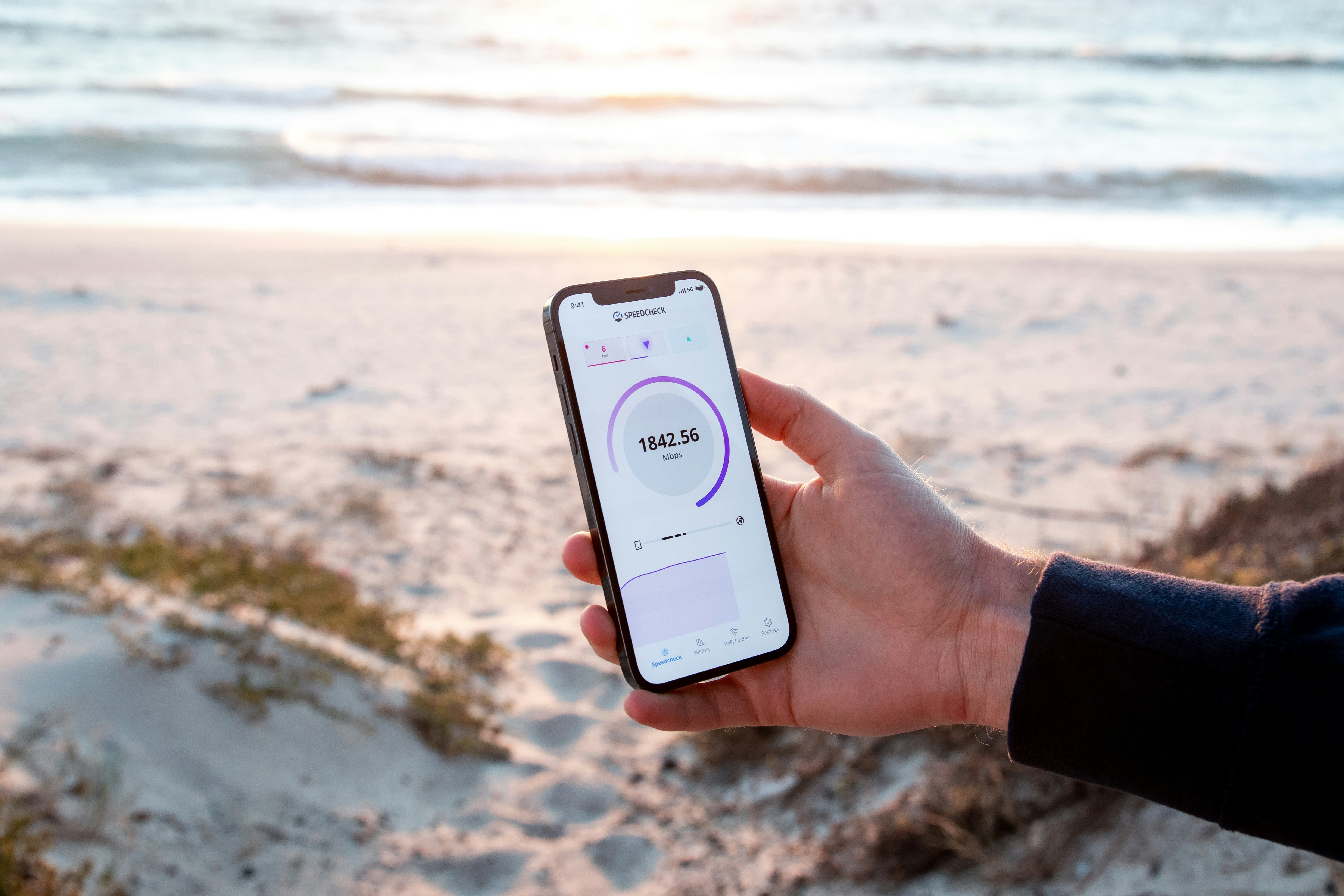
Several reliable tools and applications are available that allow users to accurately measure their internet speed. One of the most widely recognized platforms is Speedtest by Ookla. This application is user-friendly and provides real-time data on download and upload speeds, as well as ping times. By starting a test, users receive immediate feedback on their connection performance, enabling them to ascertain the efficacy of their newly configured APN settings.
Another excellent tool is Fast.com, developed by Netflix. This service is particularly useful for users who want a straightforward test focused on download speeds. Fast.com’s minimalist design allows users to see their speed results almost instantly without unnecessary bells and whistles. Additionally, users may explore other applications such as OpenSignal, which offers comprehensive insights not only on internet speed but also on network coverage and performance comparisons across various locations.
To obtain the most accurate results, it is advisable to conduct multiple tests at different times of the day, as network congestion can influence speeds significantly. Testing in various locations can also provide insights into whether specific areas yield better performance. By consistently monitoring the internet speed following the adjustment of your APN settings, you can better understand how these changes impact your overall mobile internet experience, ensuring you enjoy faster 5G connectivity.
Additional Tips for Enhancing 5G Connectivity
While configuring your Access Point Name (APN) settings is crucial for maximizing 5G internet speeds on Android devices, several additional strategies can further enhance connectivity. One important factor is selecting the appropriate network mode on your device. Enabling 5G or using an automatic network selection mode helps your smartphone connect optimally to 5G networks when they are available. Frequent switching between 4G and 5G can sometimes disrupt your connection, so keeping your device locked to 5G, when in a strong coverage area, can lead to improved speeds.
Furthermore, regularly updating your device’s software is essential for maintaining optimal performance and security. Manufacturers often release updates that include enhancements to network connectivity and compatibility with the latest technologies. Therefore, ensuring that your Android device is running the most recent software can help to improve both connectivity and overall mobile internet experience. To check for updates, navigate to the settings menu and select the software update option.
Device compatibility also plays a significant role in achieving faster 5G internet speeds. Not all smartphones are built to take full advantage of 5G capabilities, so it is essential to verify that your device supports the 5G bands prevalent in your area. Investing in a compatible smartphone can provide a significant boost to your internet speeds. Additionally, validating that your SIM card is 5G-enabled and that you are subscribing to a data plan that includes 5G access are crucial steps toward enhancing your 5G experience. By implementing these strategies, users can effectively optimize their 5G connectivity and enjoy faster internet speeds on their Android devices.
Conclusion: Achieving Optimal 5G Performance
As mobile technology continues to advance, achieving optimal performance on 5G networks becomes increasingly vital for users who rely on fast and stable internet connectivity. One of the most significant factors influencing your device’s internet performance is the Access Point Name (APN) settings. By ensuring that your Android device is configured with the appropriate APN settings, you can enhance your overall internet speed and connectivity reliability.
It is essential to recognize that optimized APN settings play a critical role in facilitating a seamless 5G experience. Incorrect or default APN configurations can lead to subpar performance, including slow browsing speeds and interrupted connections. By tailoring these settings to match your specific service provider’s requirements, you can unlock the full potential of your 5G connection. Implementing the recommended APN settings tailored for your network can greatly enhance your internet experience.
Additionally, it is beneficial to continually monitor your device’s performance. Regular checks will help you identify any discrepancies or changes that might impact your APN configurations, ensuring that you remain connected to the best possible network. Mobile network conditions can fluctuate, and new updates or service enhancements from your provider may necessitate further adjustments to your APN settings.
In conclusion, taking the time to implement optimal APN settings is a straightforward yet effective strategy for improving your 5G internet experience on Android devices. By doing so, users can achieve faster connection speeds, improve data accessibility, and ultimately enjoy a more reliable mobile internet experience. Stay proactive in managing your device settings to maintain peak performance and harness the full capabilities of 5G technology.